HVAC Installation: A Complete Guide to Reliable Heating and Cooling
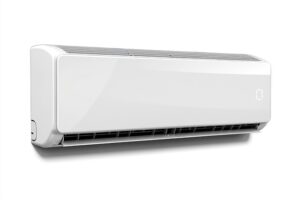
Proper HVAC installation is the foundation of a comfortable and energy-efficient home or business. Whether you’re building a new property or replacing an outdated system, installing a high-quality heating and air conditioning system ensures long-term performance and reliability. Professional HVAC services play a crucial role in making sure your system is installed correctly and optimized for your space.
Why Professional HVAC Installation Matters
Installing an HVAC system is not a simple DIY project. It requires precise calculations, proper equipment selection, and expert knowledge of airflow, ductwork, and electrical systems. A poorly installed unit can lead to inefficiency, higher energy bills, and frequent breakdowns.
Professional technicians assess your home’s size, insulation, and layout to recommend the best system. This ensures balanced airflow, consistent temperatures, and maximum energy efficiency.
Choosing the Right HVAC System
Selecting the right HVAC system is essential for optimal comfort. There are several options available, including:
- Central air conditioning systems
- Heat pumps for both heating and cooling
- Ductless mini-split systems
- Furnaces paired with air conditioning units
Each system has its own advantages, and a professional HVAC technician can help you choose the most suitable option based on your needs and budget.
The HVAC Installation Process
A typical HVAC installation involves several key steps:
- Initial assessment and load calculation
- Removal of old equipment (if applicable)
- Installation of indoor and outdoor units
- Ductwork inspection or modification
- Electrical connections and thermostat setup
- System testing and final adjustments
Each step must be performed carefully to ensure the system operates safely and efficiently.
Benefits of a New HVAC Installation
Upgrading to a new HVAC system offers several advantages:
- Improved energy efficiency and lower utility bills
- Enhanced indoor air quality
- More consistent heating and cooling
- Reduced need for frequent repairs
- Access to modern features like smart thermostats
When to Replace Your Existing System
If your current HVAC system is over 10–15 years old, requires frequent repairs, or struggles to maintain comfort, it may be time for a replacement. Newer systems are designed to meet higher efficiency standards and provide better performance.
Maintaining Your HVAC System After Installation
After installation, regular maintenance is essential to keep your system running smoothly. Scheduling routine inspections, cleaning filters, and addressing minor issues early can extend the lifespan of your HVAC system and prevent costly repairs.
Conclusion
HVAC installation is a critical investment in your home or business. Choosing the right system and working with experienced professionals ensures long-term comfort, efficiency, and reliability. With proper installation and ongoing maintenance, your heating and cooling system can provide dependable performance for years to come.
For expert HVAC installation and repair services, Visit this page.